
SPF 15, SPF 30, SPF 50, SPF 50+ — sunscreen labels can make choosing the right product feel more complicated than it should be.
It is easy to assume that SPF 50 must provide more than three times the protection of SPF 15, or that an SPF number tells you exactly how many hours you can safely spend outdoors. Neither is quite right.
Understanding what SPF ratings actually measure — and what they do not — can help you make more informed sun-protection choices throughout the year.
What does SPF mean?
SPF stands for Sun Protection Factor.
The SPF rating indicates how effectively a sunscreen protects correctly covered skin against ultraviolet B, or UVB, radiation. UVB is the main cause of sunburn, although both UVA and UVB radiation contribute to skin damage and skin cancer.
Under controlled test conditions, SPF compares the amount of UV radiation needed to cause sunburn on sunscreen-protected skin with the amount needed to cause sunburn on unprotected skin.
Another way to understand the number is to consider how much UVB radiation may reach correctly protected skin:
- SPF 15 allows approximately 1/15 of UVB radiation through, filtering about 93.3%.
- SPF 30 allows approximately 1/30 through, filtering about 96.7%.
- SPF 50 allows approximately 1/50 through, filtering about 98%.
This is why SPF 50 is not “more than three times stronger” than SPF 15. The SPF number increases substantially, but the percentage of UVB filtered does not increase at the same rate.
Importantly, no sunscreen blocks 100% of UV radiation.
For more information about how SPF ratings are defined in Australia, see the Therapeutic Goods Administration’s guide to reading sunscreen labels.
SPF 15, SPF 30, SPF 50 and SPF 50+: what is the difference?
Australian sunscreen labels group SPF ratings into different levels of protection:
| SPF rating | Labelled protection level | Approximate UVB filtered when applied correctly |
|---|---|---|
| SPF 15 | Medium or moderate | 93.3% |
| SPF 30 | High | 96.7% |
| SPF 50 | High | 98% |
| SPF 50+ | Very high | At least the standard required for a tested SPF of 60 or more |
The “plus” in SPF 50+ does not mean unlimited protection. Under Australian requirements, it can only be used when a sunscreen has achieved an SPF result of at least 60 during testing, although the maximum rating displayed on the label remains SPF 50+.
While the numerical difference between SPF 30 and SPF 50 may appear relatively small, the amount of UVB reaching the skin falls from approximately 3.3% to 2%. That extra protection can be meaningful, particularly under Australia’s high UV conditions and when people inevitably apply less sunscreen than is used during laboratory testing.
Cancer Council Australia recommends using SPF 50 or SPF 50+, broad-spectrum and water-resistant sunscreen whenever the UV Index is 3 or above, together with other forms of sun protection. You can read its full sunscreen basics guide here.
What does “broad spectrum” mean?
An SPF rating primarily describes protection against UVB radiation. That is only part of the picture.
A sunscreen labelled broad spectrum has been tested to provide protection against both:
- UVB radiation, which is the main cause of sunburn.
- UVA radiation, which penetrates more deeply into the skin and contributes to premature ageing, pigmentation, skin damage and skin cancer.
Broad-spectrum protection matters because UVA exposure does not necessarily cause an immediate, visible warning such as sunburn. Your skin can still be exposed on cloudy or cooler days, when the sun does not feel particularly strong.
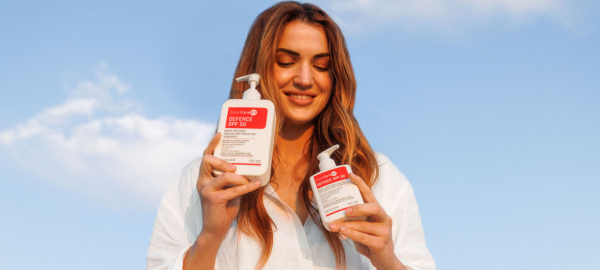
Both SolarCareB3 Defence SPF 50 and SolarCareB3 Moisturiser with SPF 15 provide broad-spectrum sun protection while also containing 5% Vitamin B3 to support skin affected by sun damage.
You can also read more about protecting and supporting skin during cooler weather in The Best Sunscreen for Winter in Australia.
Does SPF tell you how many safe hours you have outdoors?
No. SPF should not be treated as a countdown timer.
You may occasionally see SPF explained using a calculation such as:
If unprotected skin begins to burn after 10 minutes, SPF 30 theoretically allows 30 times longer before burning.
While this helps illustrate how SPF is tested, it is not a reliable way to plan real-world sun exposure.
The intensity of UV radiation changes according to:
- The time of day
- Your location
- The season
- Cloud cover
- Altitude
- Reflective surfaces such as water, sand, concrete or snow
- Your skin type
- How much sunscreen you apply
- Whether sunscreen has rubbed, washed or sweated off
Sunburn is also not the only sign of UV exposure. Skin can receive damaging UV radiation before redness becomes visible.
Rather than calculating “safe hours”, check the UV Index, apply sunscreen correctly and use additional protection whenever required.
Why the application amount matters
The SPF shown on a sunscreen label is based on the product being applied at a specific amount during controlled testing.
Most people apply considerably less sunscreen in daily life. Applying a thin or uneven layer means you may receive substantially less protection than the labelled SPF.
For an average adult, Cancer Council and ARPANSA recommend approximately seven teaspoons, or around 35 mL, for one full-body application:
- One teaspoon for the face, neck and ears
- One teaspoon for each arm
- One teaspoon for each leg
- One teaspoon for the front of the torso
- One teaspoon for the back
Apply sunscreen to clean, dry skin approximately 20 minutes before going outdoors. Pay particular attention to commonly missed areas such as the ears, neck, backs of the hands and tops of the feet.
ARPANSA provides further practical information in its guide to sun protection using sunscreen.
Why sunscreen needs to be reapplied
Even a high-SPF sunscreen does not remain perfectly distributed on the skin all day.
Sunscreen can gradually be removed through:
- Swimming
- Sweating
- Towel-drying
- Touching or rubbing the skin
- Clothing and movement
- Uneven initial application
When spending time outdoors, sunscreen should generally be reapplied at least every two hours, as well as after swimming, sweating or towel-drying.
A water-resistance claim does not remove the need to reapply. For example, “four hours water resistant” refers to performance under specific test conditions; it does not mean one application provides perfect protection for four hours in every situation.
Choosing a sunscreen you find comfortable and easy to apply generously can make consistent use more achievable. SolarCareB3 Defence SPF 50 is available in a 160 mL size for everyday use and a 400 mL size for larger-area and household application.
How should the UV Index influence your choice?
The UV Index measures the intensity of ultraviolet radiation at a particular place and time.
It is more useful for planning sun protection than temperature or visible sunshine because UV cannot be seen or felt. A cool, windy or cloudy day can still have a UV Index high enough to damage unprotected skin.
UV levels are generally described as:
- 1–2: Low
- 3–5: Moderate
- 6–7: High
- 8–10: Very high
- 11 or above: Extreme
When the UV Index reaches 3 or above, Cancer Council and ARPANSA recommend using multiple forms of sun protection:
- Slip on protective clothing
- Slop on SPF 50 or SPF 50+, broad-spectrum sunscreen
- Slap on a broad-brimmed hat
- Seek shade
- Slide on sunglasses
You can check current and forecast conditions using ARPANSA’s UV information or the SunSmart Global UV app.
Where does SPF 15 fit?
SPF 15 still provides meaningful UVB protection when applied correctly. However, it should not be presented as offering the same protection as SPF 50 for a shorter period.
The ratings allow different proportions of UVB radiation to reach protected skin. SPF 15 filters approximately 93.3% of UVB radiation, while SPF 50 filters approximately 98%. Higher SPF therefore provides greater protection, even though the difference between the percentages may appear small. You can learn more about how SPF ratings work in the Cancer Council sunscreen fact sheet.
So why might someone choose SPF 15?
Lower-SPF products can allow greater flexibility in formulation, making it possible to create a lighter, more moisturiser-like product that some people find comfortable to apply generously and wear consistently. The SPF rating alone does not determine texture, but the overall feel of a sunscreen can influence how readily it becomes part of an everyday routine.
Moisturiser with SPF 15 combines broad-spectrum SPF 15 with 5% Vitamin B3 (niacinamide) in a lightweight daily moisturiser. It may suit cooler months, low-UV conditions and short periods of incidental exposure.
When the UV Index is forecast to reach 3 or above, SPF 50 or SPF 50+ is the recommended choice. For higher-UV conditions or more substantial outdoor exposure, SolarCareB3 Defence SPF 50 provides high, broad-spectrum protection alongside 5% niacinamide.
The decision should not be based only on how long you expect to be outside. Consider the UV Index, your activity, the likelihood of sweating or swimming, and whether you can apply and reapply the product correctly. Sunscreen should also be used alongside protective clothing, shade, sunglasses and a broad-brimmed hat, as outlined in the Cancer Council’s five forms of sun protection.
Sunscreen is only one part of sun protection
Sunscreen is important, but it should not be used to extend the amount of time you spend in direct sun.
When UV levels require protection, combine sunscreen with:
- Protective clothing
- A broad-brimmed hat
- Shade
- Sunglasses
- Planning outdoor activities outside peak UV periods where possible
You can find more practical advice in our article 10 Things You Should Know About Sunscreen.
The SPF takeaway
SPF is a guide to the level of protection a correctly applied sunscreen provides against UVB radiation. It is not a precise measure of how many hours you can safely remain outdoors.
Remember:
- A higher SPF allows a smaller proportion of UVB radiation to reach the skin.
- SPF 50 is not simply “three times stronger” than SPF 15.
- Broad-spectrum sunscreen protects against both UVA and UVB radiation.
- Applying enough sunscreen is essential to achieving the labelled protection.
- Sunscreen should be reapplied at least every two hours when outdoors, and after swimming, sweating or towel-drying.
- The UV Index — not the temperature — should guide your daily sun-protection decisions.
- Sunscreen works best as one part of a complete sun-protection routine.
Understanding the label is useful. Using the product generously, consistently and alongside other sun-protection measures is what makes the greatest practical difference.